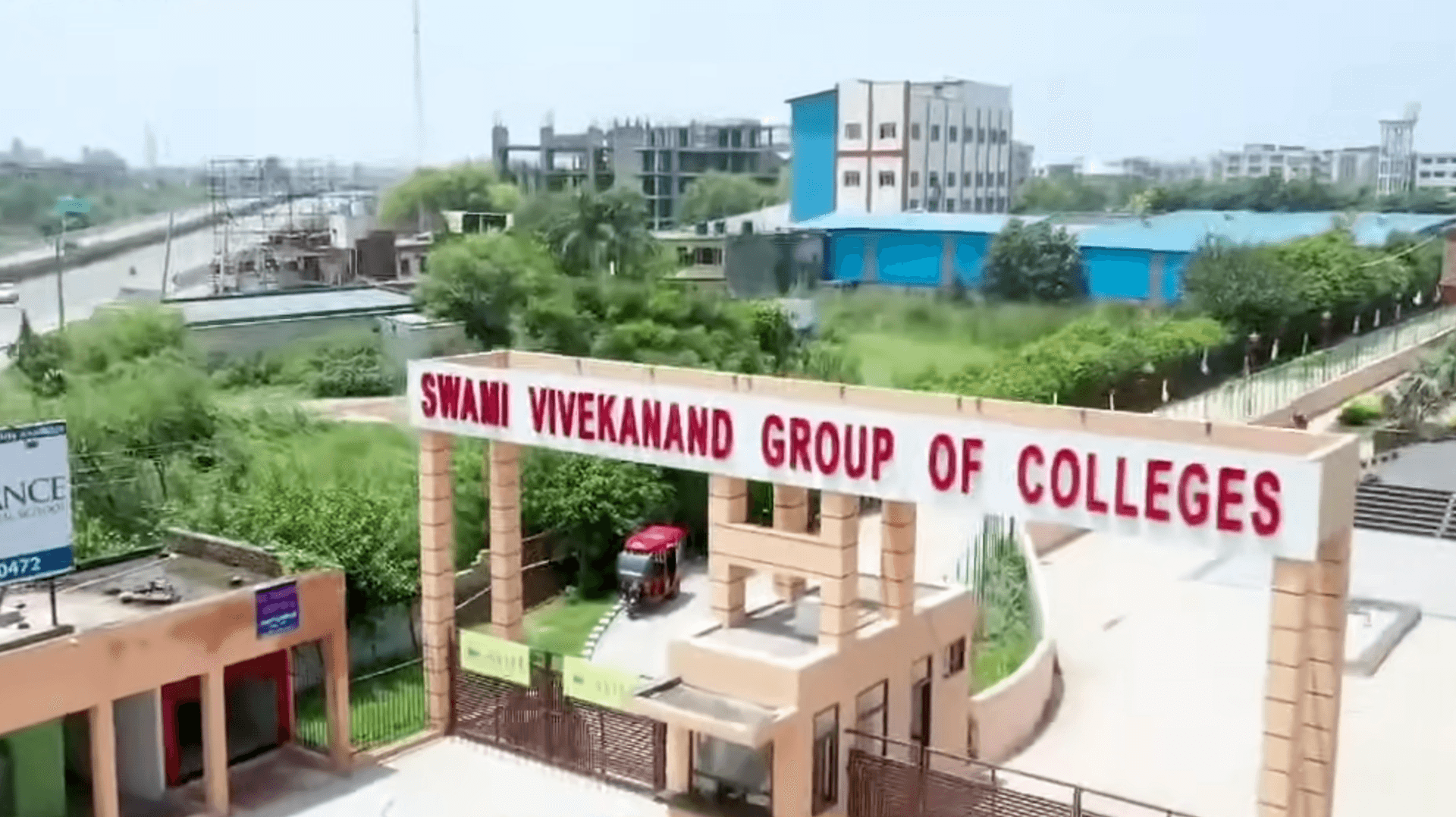
Campus Academic Zone
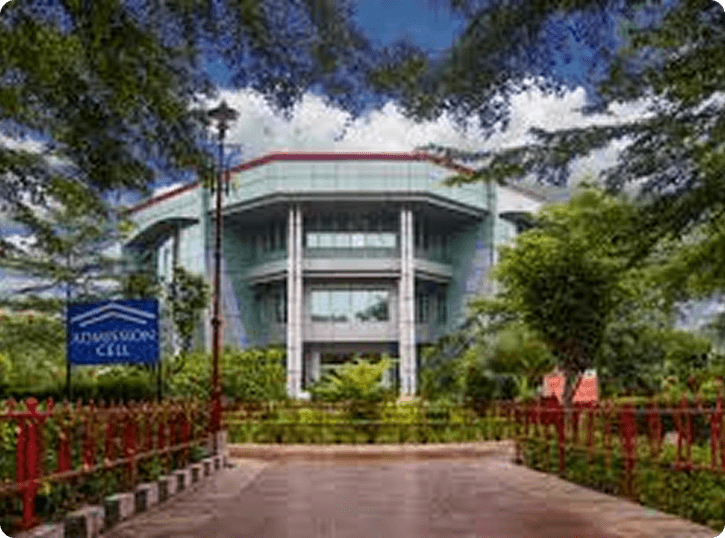
Planned circulation and access systems designed for smooth academic movement.
About SVGOI
Campus facilities are designed to support academic growth, practical learning, innovation, and student well-being through integrated spaces for study, experimentation, and development.
Planned circulation and access systems designed for smooth academic movement.
Informal spaces for peer collaboration, clubs, and project discussions.

Open-air learning pockets built for discussion-led and activity-led sessions.
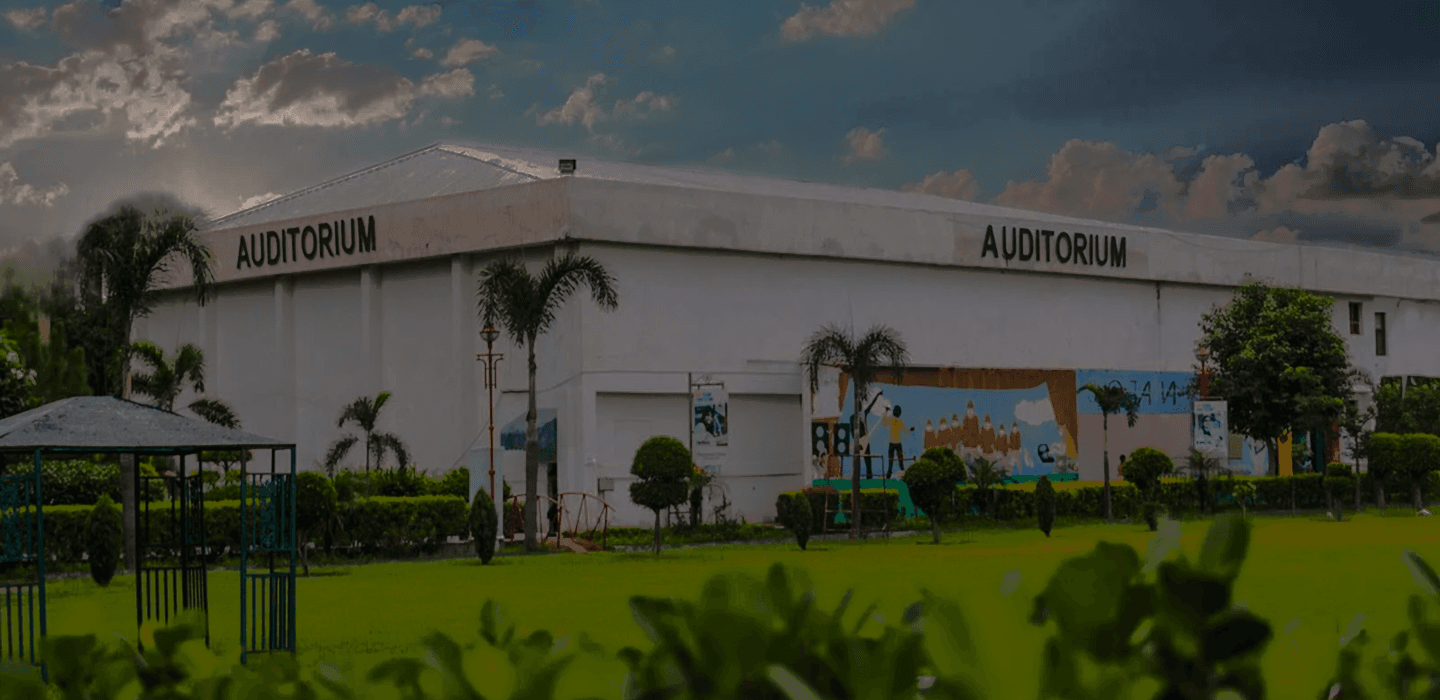
Tech-enabled rooms built to support structured delivery and participative learning.
Centralized resource support for coursework, references, and independent study.
Program-specific labs focused on hands-on skill development and experimentation.
Research spaces that support applied experimentation and prototype development.
Labs dedicated to ideation, prototyping, and student innovation challenges.

Outdoor spaces designed for sports, fitness routines, and team-building activities.

Dedicated facilities that strengthen discipline, teamwork, and physical well-being.

Renewable energy setup contributing to cleaner and more efficient campus operations.
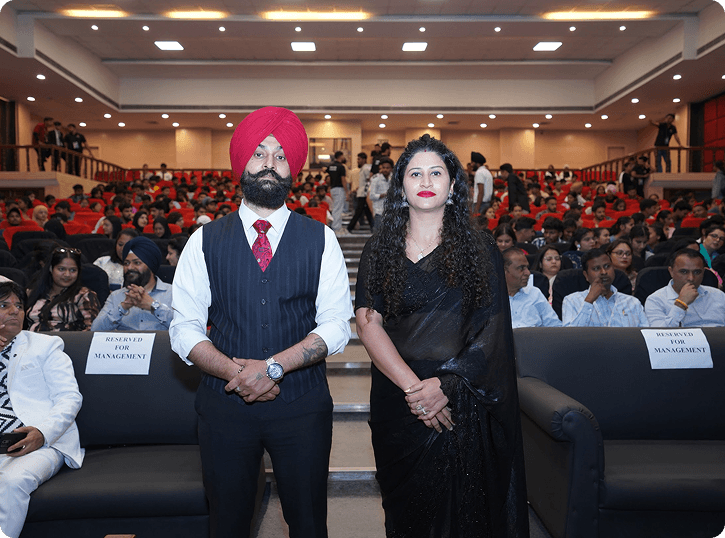
Water conservation infrastructure supporting reuse and responsible consumption.
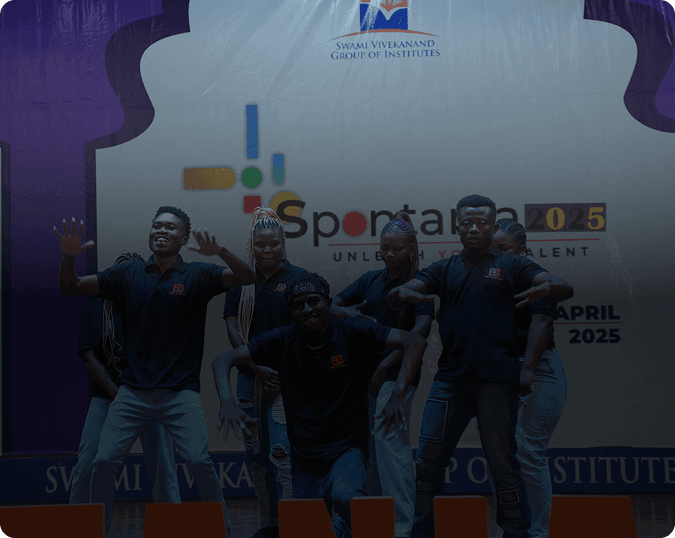
Structured segregation and waste handling practices integrated across campus.
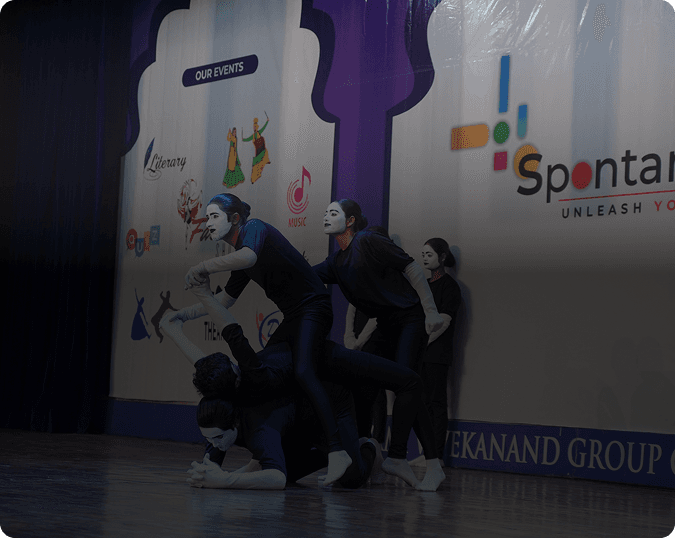
Mobility systems and pathways planned for safe and accessible movement.
Selected Infrastructure
Planned circulation and access systems designed for smooth academic movement.
SVGOI strengthens environmentally responsible campus systems across energy, water, waste, and mobility to support long-term resilience.
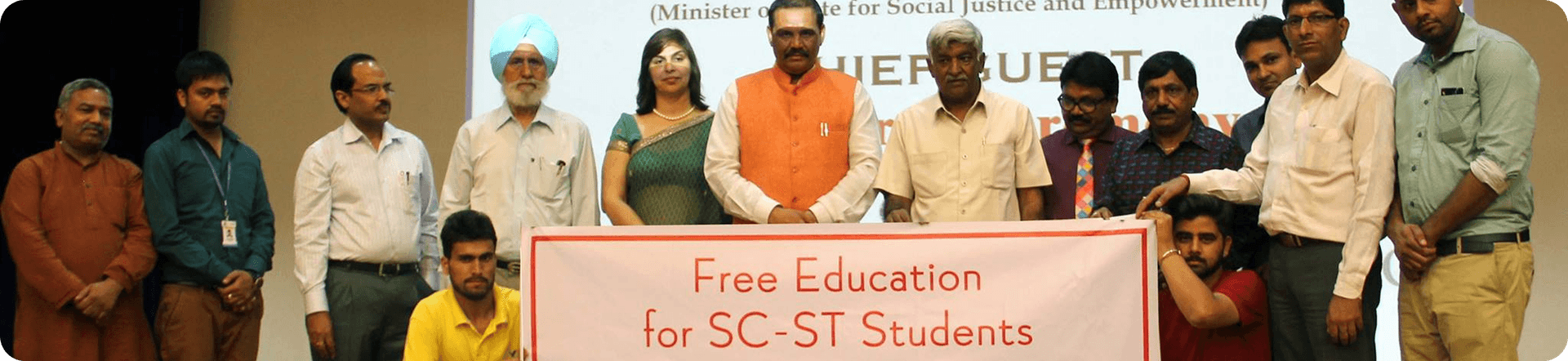
Distributed solar systems support academic blocks and utilities, reducing dependency on conventional energy.

Treatment and reuse systems are designed to optimize water use across landscaping and non-potable needs.
Green belt planning and periodic plantation drives improve campus microclimate and ecological balance.
Catchment and storage systems support groundwater recharge and long-term water conservation goals.

Segregation and recycling practices help reduce landfill impact and build responsible campus habits.

Pedestrian-first pathways and organized transit points improve accessibility and safer campus movement.